
Technology analysis
Camera-free smart glasses make a different promise – less surveillance, but fewer capabilities too
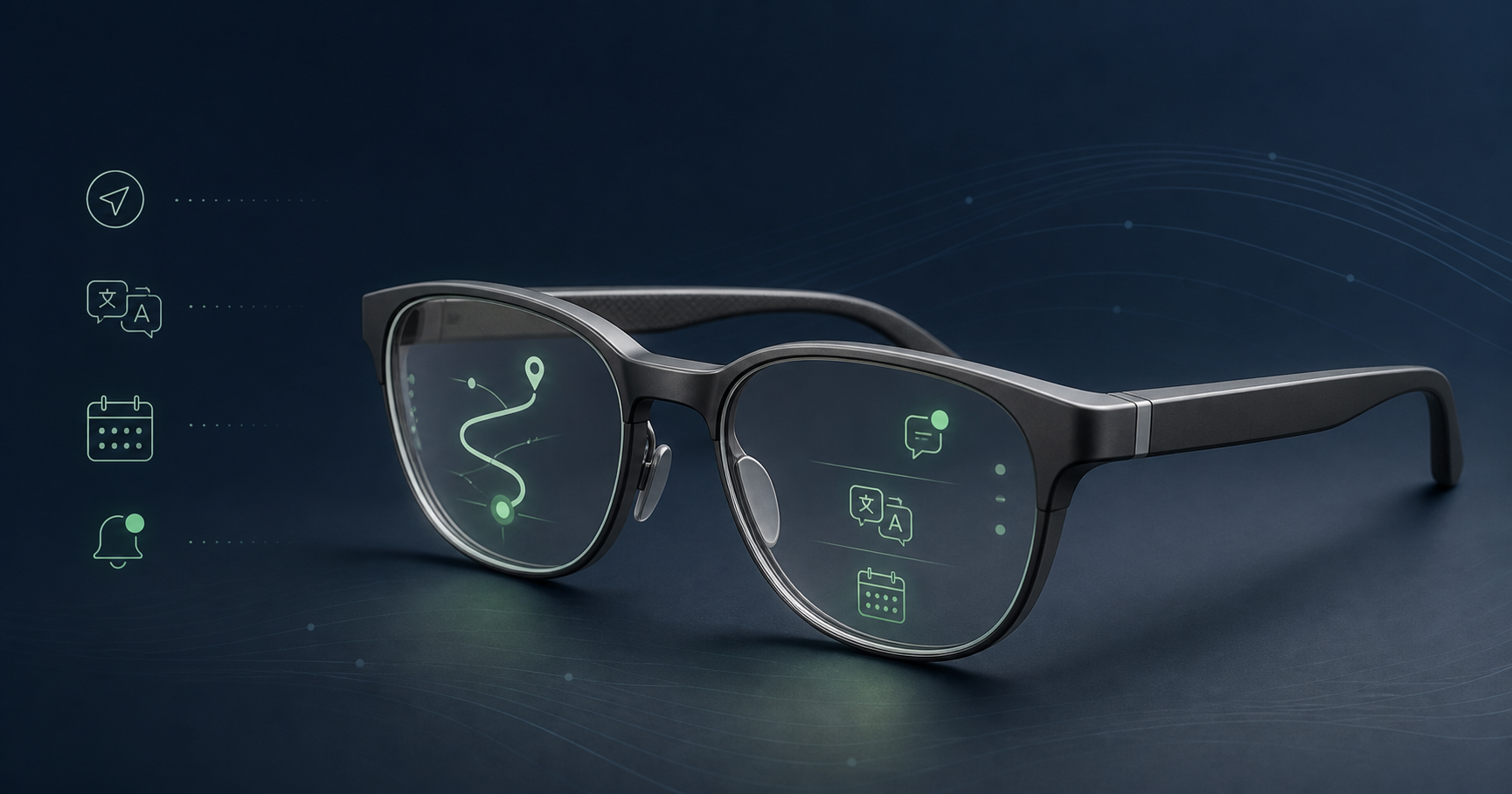
A fresh hands-on test of the Even G2 highlights an alternative to camera-centred AI glasses: a lightweight heads-up display can show navigation, translations and reminders without filming the surroundings. That removes one visible privacy risk, but it does not yet free the user from the phone.
13 July 2026 at 06:00
Why is this in the news?
TechCrunch published a hands-on assessment of the Even Realities G2 on 11 July. The glasses have no camera or speakers. According to the official documentation, they use two micro-LED displays, a four-microphone array and touch controls; an optional R1 ring adds another input method. The display can present text, notifications and information from connected applications.
What does removing the camera solve?
Without an onboard camera, the device's purpose is clearer to people nearby: the glasses cannot secretly film them with their own hardware. That may make them easier to accept at work, in customer meetings and in public places. Camera-free does not mean fully private, however, because microphones, the phone connection, cloud services and app permissions still handle data.
What does the user give up?
Without a camera, the glasses cannot identify an object ahead, read a paper independently or capture a photo. The TechCrunch test also found the phone connection could be unreliable. In practice, this is currently a companion display and a lightweight interface for a phone, not a standalone computer or a phone replacement.
What should a buyer check?
First confirm whether the languages, navigation and calendar services you need work in Finland. Check real battery life, prescription-lens availability and price, Android and iPhone compatibility, offline functions, where data is stored and what happens if the vendor changes its cloud service. Try the glasses before buying if possible: display position, vision correction and fit are personal.